
Banking on Community Recovery
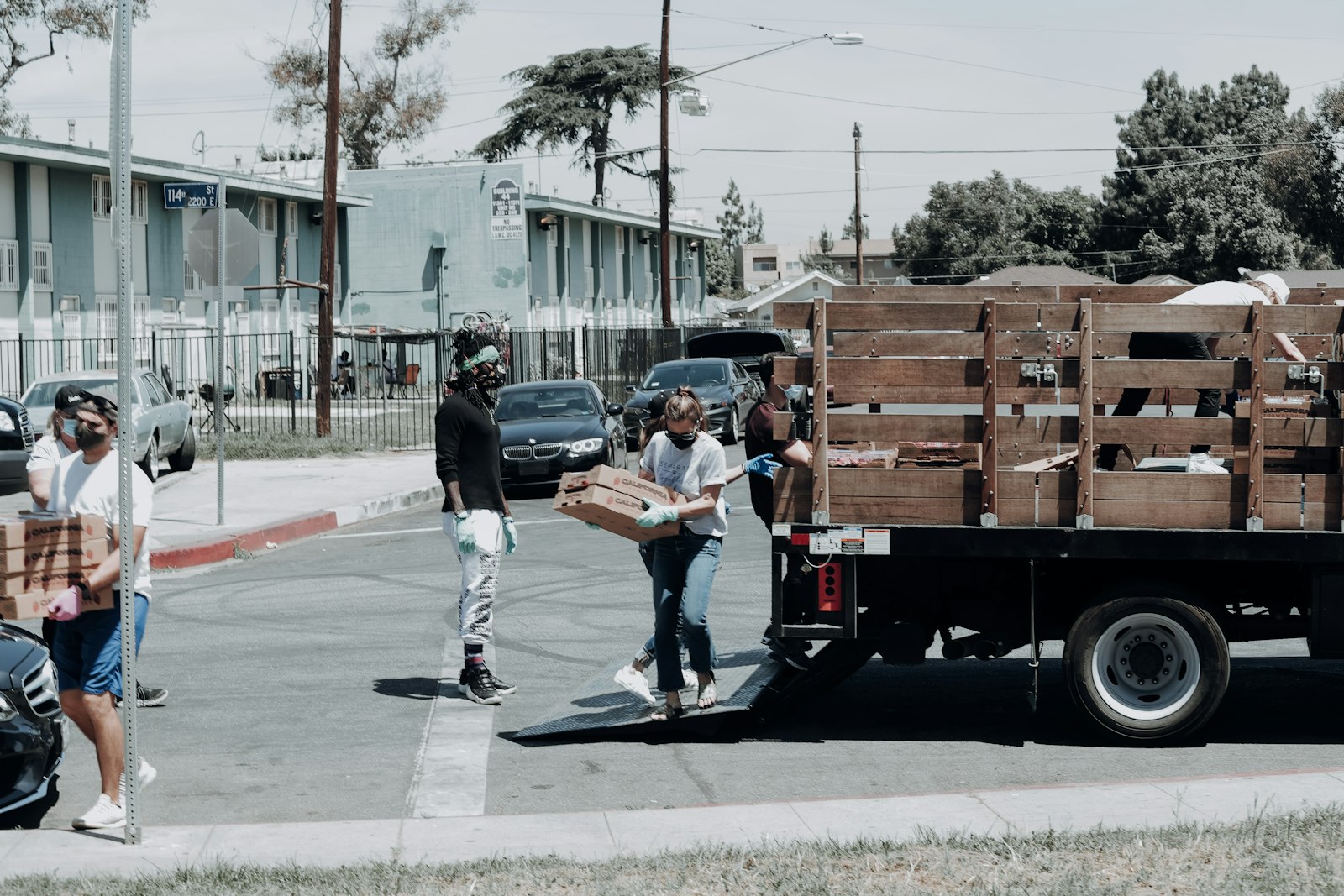
When disaster strikes a community — a flood, a wildfire, a hurricane — the immediate images are of first responders, volunteers, and neighbors helping neighbors. Less visible, but no less vital, is the role that banks play in the days, weeks, and months that follow. Financial institutions are among the quiet architects of recovery, channeling capital, compassion, and stability into communities in crisis.
More Than a Balance Sheet
Banks are often thought of purely in transactional terms — deposits, loans, interest rates. But in moments of community hardship, their deeper role emerges. When a major banking organization donates to flood relief efforts, it is not merely writing a check; it is signaling a commitment to the places and people it serves.
A bank's strength is measured not only in assets, but in how it shows up when its community needs it most.
Recent industry giving — such as significant donations to support flood relief efforts — illustrates a long tradition of banks acting as stabilizing forces in times of upheaval. These contributions provide immediate resources for shelter, food, and emergency services when they matter most.
The Many Faces of Bank-Led Recovery
Community support after a disaster takes many forms, extending well beyond charitable donations. Banks bring a distinctive toolkit to the recovery effort:
- Direct financial contributions. Donations to relief organizations and community foundations that mobilize aid quickly.
- Payment relief. Deferred loan payments, waived fees, and flexible terms for affected customers.
- Rebuilding capital. Loans that help families and businesses repair, rebuild, and reopen.
- Employee mobilization. Bank staff volunteering time and expertise in local recovery efforts.
Each of these levers addresses a different phase of recovery — from the urgent scramble of the first days to the long, patient work of rebuilding.
Why Banks Are Uniquely Positioned
Financial institutions occupy a special place in the recovery ecosystem. Their deep local roots, financial capacity, and trusted relationships make them natural partners in crisis response. Consider what banks uniquely bring:
- Local presence. Community banks in particular know their neighborhoods intimately and can direct help where it is needed.
- Financial infrastructure. Banks can rapidly deploy and manage funds at a scale few local organizations can match.
- Enduring relationships. Long-standing customer ties mean banks understand the specific hardships their communities face.
Recovery is a marathon, not a sprint — and banks are built to run the distance alongside their communities.
The Business Case for Community Commitment
Supporting community recovery is, first and foremost, the right thing to do. But it also reflects sound business sense. A bank's fortunes are inextricably linked to the health of the communities it serves. When those communities recover and thrive, so does the institution.
This alignment of purpose and prosperity is one of banking's most enduring truths. Banks that invest in resilience — through disaster relief, flexible lending, and long-term community development — build the loyalty and trust that sustain them for generations.
Lessons for Every Institution
Not every bank can make headline-grabbing donations, but every institution can prepare to serve its community in times of crisis. Practical steps include:
- Establishing disaster-response protocols before catastrophe strikes, so relief can be deployed quickly.
- Creating flexible loan and payment-relief frameworks that can be activated for affected customers.
- Building partnerships with local relief organizations and community foundations.
- Empowering employees to volunteer and contribute their skills during recovery efforts.
A Legacy of Stewardship
The banking industry's involvement in community recovery is part of a broader legacy of stewardship. Through foundations, community commitment awards, financial education programs, and disaster relief, banks continually demonstrate that their mission extends beyond profit.
When floodwaters recede and communities begin to rebuild, banks are there — not as distant institutions, but as invested neighbors. In the aftermath of disaster, the industry proves again that banking, at its best, is a force for renewal and hope. That commitment, repeated in community after community, defines what it means to be a truly local bank.